About
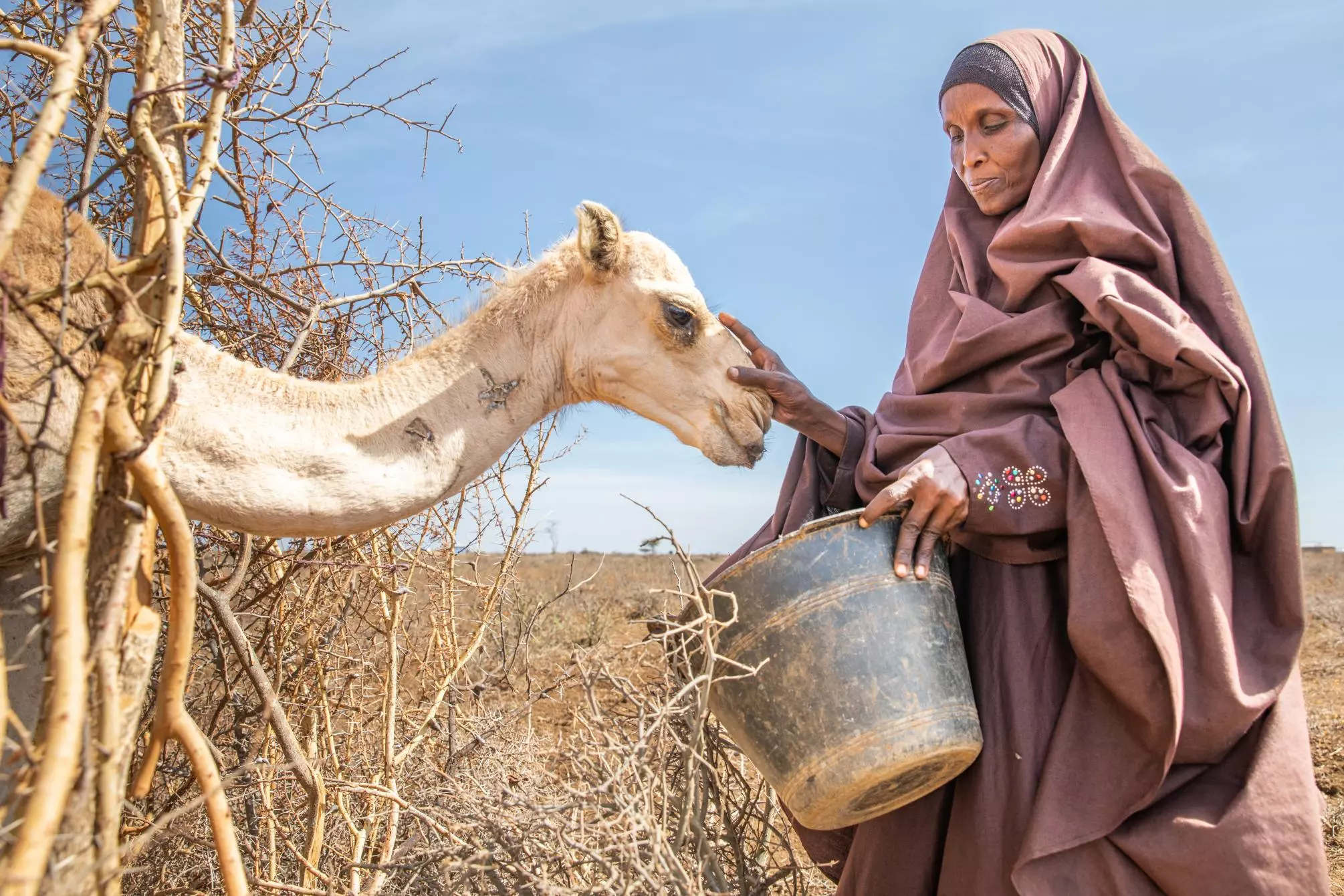
Grasslands cover roughly 40 percent of global land area and provide essential ecosystem services—from carbon sequestration and water regulation to biodiversity and livelihoods. Yet these landscapes are increasingly under threat. Across the Horn of Africa, rangelands are rapidly degrading due to a combination of mismanagement, recurrent drought, and the accelerating impacts of climate change. Many of these grazing areas are communally managed, making effective monitoring, enforcement, and long-term stewardship particularly challenging.
During periods of drought, these challenges intensify. Pastures become stressed, cattle weaken, and households are often forced to sell livestock at deeply reduced prices. In contrast, well-managed rotational grazing systems have been shown to improve pasture productivity, strengthen drought resilience, enhance animal health, and support household incomes. These environmental and economic gains also contribute to broader climate benefits, including improved soil carbon sequestration, reduced methane emissions per unit of production, and increased biodiversity.
However, for rotational grazing systems to succeed at scale, communities need supportive governance structures, predictable fodder access during drought years, and reliable tools for monitoring rangeland health. Understanding how to design and implement such systems is essential for building climate-resilient livelihoods in the region.
Approach
Mercy Corps’ Regional Livestock Program (RLP) operates in northeastern Kenya, Ethiopia, and Somaliland to support community-led pasture management and provide assistance during drought conditions. Our team, in collaboration with Mercy Corps, is generating the evidence and partnerships necessary to strengthen rotational grazing systems and develop a sustainable fodder-production model for the region. Specifically, we are identifying which community interventions may have more influence in effectively supporting improved rangeland governance and increased community participation. We are also testing a remote sensing methodology for assessing pasture productivity and health in Kenya. This remote sensing approach, originally developed for South Africa, may allow scalable, repeatable monitoring across Kenya, Ethiopia, and Somaliland.
Working with Mercy Corps, we are organizing a one-day planning session with representatives from UCSB, Mercy Corps, the Pharo Foundation, International Livestock Research Institute (ILRI), and the Kenya Meteorological Department. This workshop will focus on sharing early findings and identifying challenges and opportunities for expanding the approach within Kenya and to communities in Somaliland. We will then hold an in-depth workshop in Somaliland to explore opportunities for rotational grazing and improved governance in Somaliland communities, using lessons learned from efforts in Kenya.
Partners
This project is funded by the Pharo Foundation through the Center for Effective Global Action (CEGA). The work is in collaboration with Mercy Corps.