About
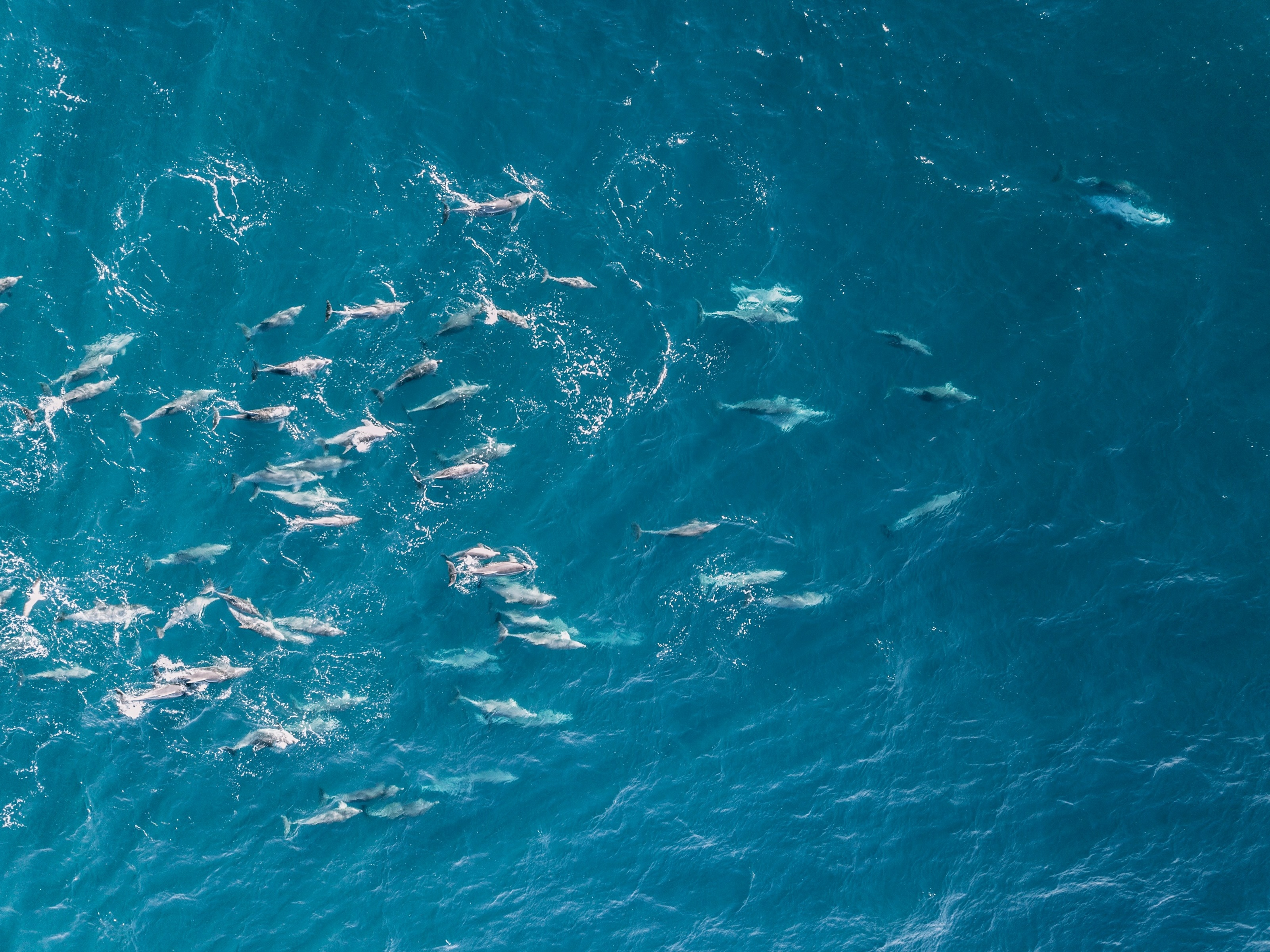
Highly migratory ocean species such as sharks, rays, whales, dolphins, and sea turtles (‘the Blue 5”) travel thousands of miles across the oceans to forage and reproduce. Climate change is fundamentally altering the ocean temperatures, currents, and productivity critical to their well-being and increasing threats to their survival. Therefore, it is critical that global ocean conservation and resource management explicitly include considerations for climate change. This collaborative UCSB-Conservation International project will focus on advancing conservation of highly migratory Blue 5 species across the dynamic, transboundary ocean space spanning Costa Rica to Chile.
This project will utilize the team’s unique combination of expertise to directly support decision making across six Latin American countries and expand knowledge and tools for application globally. The project team will work with implementing partners to inform the design and integrated management of ocean resources under climate change – including but not limited to marine protected areas (MPAs), natural resource management, and environmental policy. This project will also support the design of one of the largest multi-country biodiversity monitoring programs that incorporates climate change.
Approach
emLab is developing a multi-country payment-for-ecosystem service program for highly migratory, transboundary marine species. As highly migratory ocean species travel through individual countries and regional jurisdictions, they are subject to different and sometimes competing management, conservation, and economic incentives. Conservation of transboundary species is well studied in terrestrial contexts (i.e., payment for presence programs for wolves in the United States) but is less explored for marine species.
Our research analyzes the strategic responses of property owners or countries who participate in payment-for-ecosystem service programs for mobile species like wolves, whales, or elk. We are evaluating how the transboundary movement of these animals, and property owner or country perception of these species create economic incentives that can either hinder or help conservation goals. We are developing a more accurate framework for predicting the success of voluntary conservation programs and overcoming local resistance.
Team
Jennifer Raynor (Principal Investigator), Steve Gaines (Principal Investigator), Jennifer Bone (Project Manager), Shu-Chen Tsao (Graduate Student)
Partners
This project is in collaboration with Conservation International (CI) as part of the Arnhold UC Santa Barbara-Conservation International Climate Solutions Collaborative. UCSB and CI launched this initiative through generous support from John Arnold (UCSB '75) to unify their demonstrated expertise and networks to conduct cutting-edge applied research to yield tangible, progressive solutions and propel the careers of emerging environmental professionals.