The Eastern Tropical Pacific Ocean (ETP) is one of the most productive, biodiverse marine regions in the world. It is home to biodiversity hotspots like the Galapagos Islands, as well as vital fisheries and migratory corridors for sharks, whales, and sea turtles. In fact, the industrial purse seine fisheries operating in this region caught nearly 1 million metric tons of skipjack, yellowfin, and bigeye tuna in 2024 alone. To put that into perspective, it would take up to 6,500 blue whales–the largest animal to ever exist on earth (yes, even bigger than the megalodon or the dinosaurs)–to equal 1 million metric tons, or approximately 5 billion cans of tuna.
But here’s the catch (literally). Those same nets don't only bring up tuna. Industrial fishing gear isn’t selective, and operating in one of the world’s most biodiverse marine regions means that sea turtles, sharks, rays, and marine mammals are caught too. This incidental catch, known as bycatch, is one of the most persistent and difficult problems in fisheries management, which will only get more complicated as the oceans continue to warm and species distributions start shifting in response.
So, given the economic importance of this fishery to fishing communities, seafood markets, and food systems across the Pacific, combined with the conservation challenges that come with catching sensitive species as bycatch, the question becomes: how do we support a fishery this valuable while meaningfully reducing its impact on the species caught as bycatch now and in the future?
That’s what pulled us into this project. The near-term problem of getting fishers better, real-time information about where to fish to avoid bycatch, and the longer-term challenge of understanding how a changing ocean might shift the problem entirely.
How two UCSB Ph.D. students became part of a global partnership
Both of us have spent the past several years thinking about the ocean, tackling everything from shifting habitats to changing climates. Kinsey arrived at UCSB with a M.S. from Moss Landing Marine Laboratories and a California Sea Grant State Fellowship under her belt, where she designed policy-driven solutions for fisheries bycatch, aquaculture leasing, and marine protected areas. Her current research looks at dynamic ocean management, specifically looking at how we can use data to mitigate potential conflicts arising from fisheries bycatch, marine protected areas, and offshore wind development.
Sadie joined the team with M.S. and B.S. degrees from Stanford, bringing an expertise that bridges climate science, marine ecology, and oceanography. Her past research spans the globe—from tracking El Niño impacts in the Phoenix Islands to studying coral reef resilience in Palau. Now, she is dedicated to utilizing advanced climate models and interdisciplinary methods to investigate how large-scale environmental shifts impact marine ecosystems, ensuring our policies keep pace with a changing ocean.
While Ph.D. programs offer a unique opportunity to dive deep into academic literature, we both knew we wanted our doctoral journeys to be defined by real-world impact. Our separate paths converged at the UCSB Bren School because we shared a driving desire to ground our science in actionable solutions.
Rather than waiting for a faculty directive or a grant call, our project grew from a shared realization. In the first few weeks of Kinsey’s Ph.D. program, we discovered we were circling the same set of questions related to sustainable fisheries, bycatch, climate change, and the gap between science and policy.
As the project took shape, we connected with a larger initiative between emLab and Conservation International (CI) examining highly migratory species in the ETP, co-led by Kinsey’s Ph.D. advisor Steve Gaines (a Research Associate at emLab). Embraced by a partnership that champions student leadership, we nested our project under this effort and stepped up to help drive the research forward, providing the capacity needed to meaningfully advance these solutions alongside the larger team.

Team photo from our in-person workshop with CI in Costa Rica discussing our next steps for our collaborative project: conservation of highly migratory species with climate change.
“Sadie and Kinsey have been instrumental in pushing this work forward! Not only did they take the initiative to join forces on this important work, they are developing a first-of-its-kind ocean management tool that has the potential to revolutionize how we address bycatch in the ETP.” — Steve Gaines, emLab Principal Investigator
A near real-time dynamic ocean management tool and a way to forecast bycatch risk into the future
While existing bycatch mitigation tools have helped reduce bycatch, sensitive species are still accidentally caught. Gear modifications reduce some interactions. Time-area closures protect certain hotspots during certain seasons. But these are reactive, static solutions to a dynamic problem; they address bycatch after the conditions for it already exist.
The most effective way to reduce bycatch is to prevent the interaction from happening in the first place. If a fishing vessel never overlaps with a sea turtle hotspot, there’s no bycatch risk to mitigate. That’s the core logic behind our proposed near real-time dashboard: a tool that shows fishers where bycatch species and target species are likely to be concentrated in real time based on current oceanographic conditions. Like a weather app for bycatch risk that fishers can use to decide where to fish.
To build this tool, we’re using a Joint Dynamic Species Distribution Model (JDSDM), which estimates the distribution of multiple species simultaneously within the same model, capturing the shared environmental drivers and co-occurrence patterns that single-species models miss. We're not only using this framework for the near real-time tool, but also to understand how bycatch risk might shift in the future under different climate change scenarios. As the ocean warms, species will move. Fishing effort will likely follow. The overlaps that create bycatch hotspots today may look completely different in 2040 or 2080, and managers who are caught flat-footed by that shift will be scrambling to catch up.
Our climate projections give managers the ability to anticipate those changes before they happen. That's a fundamentally different posture than reactive management. Instead of responding to a bycatch crisis after it emerges, managers can use these projections to get ahead of it. That might look like climate-informed marine protected areas positioned where future bycatch hotspots are projected to form, or transboundary fishing regulations that account for how species distributions are likely to shift seasonally as ocean temperatures rise.

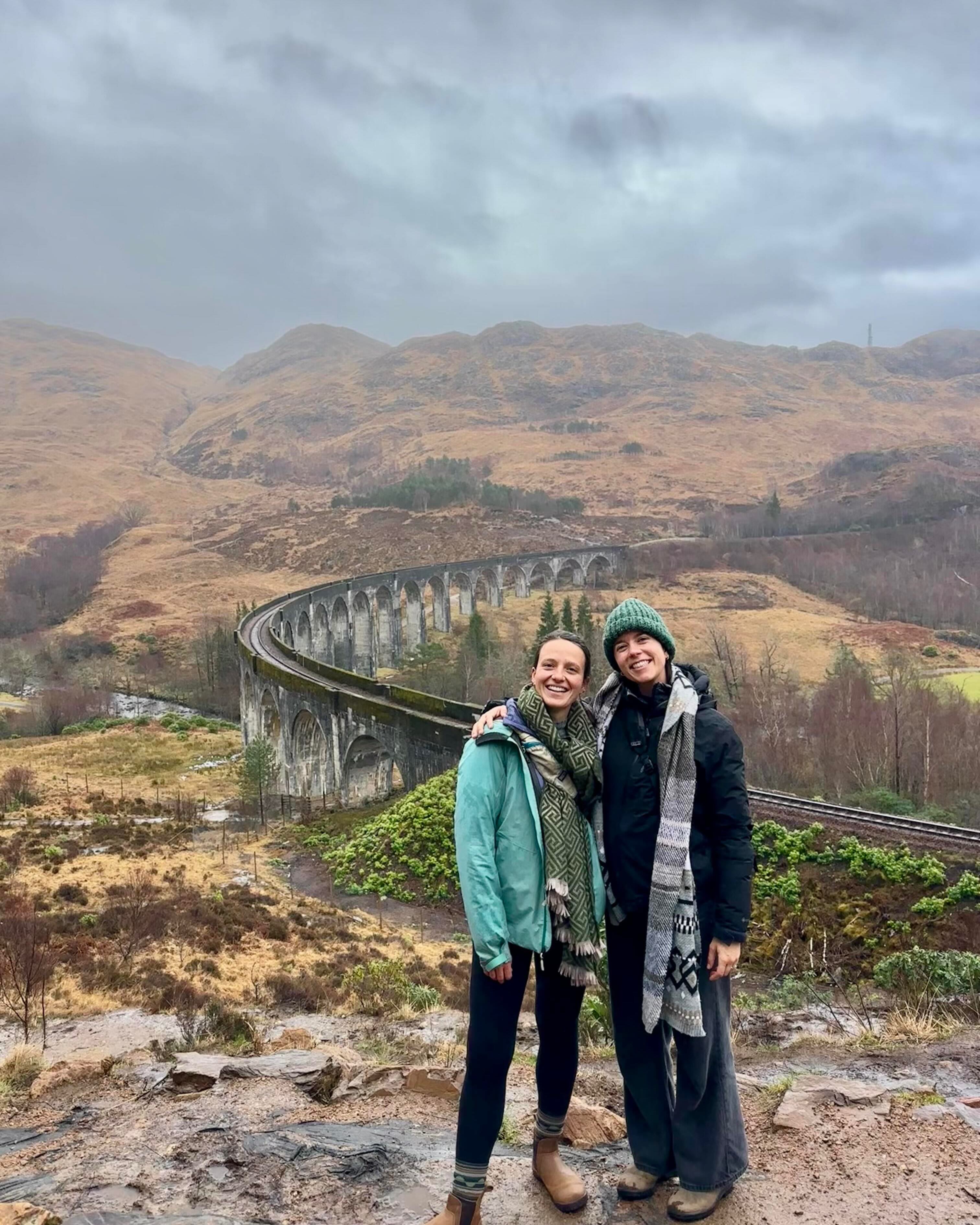
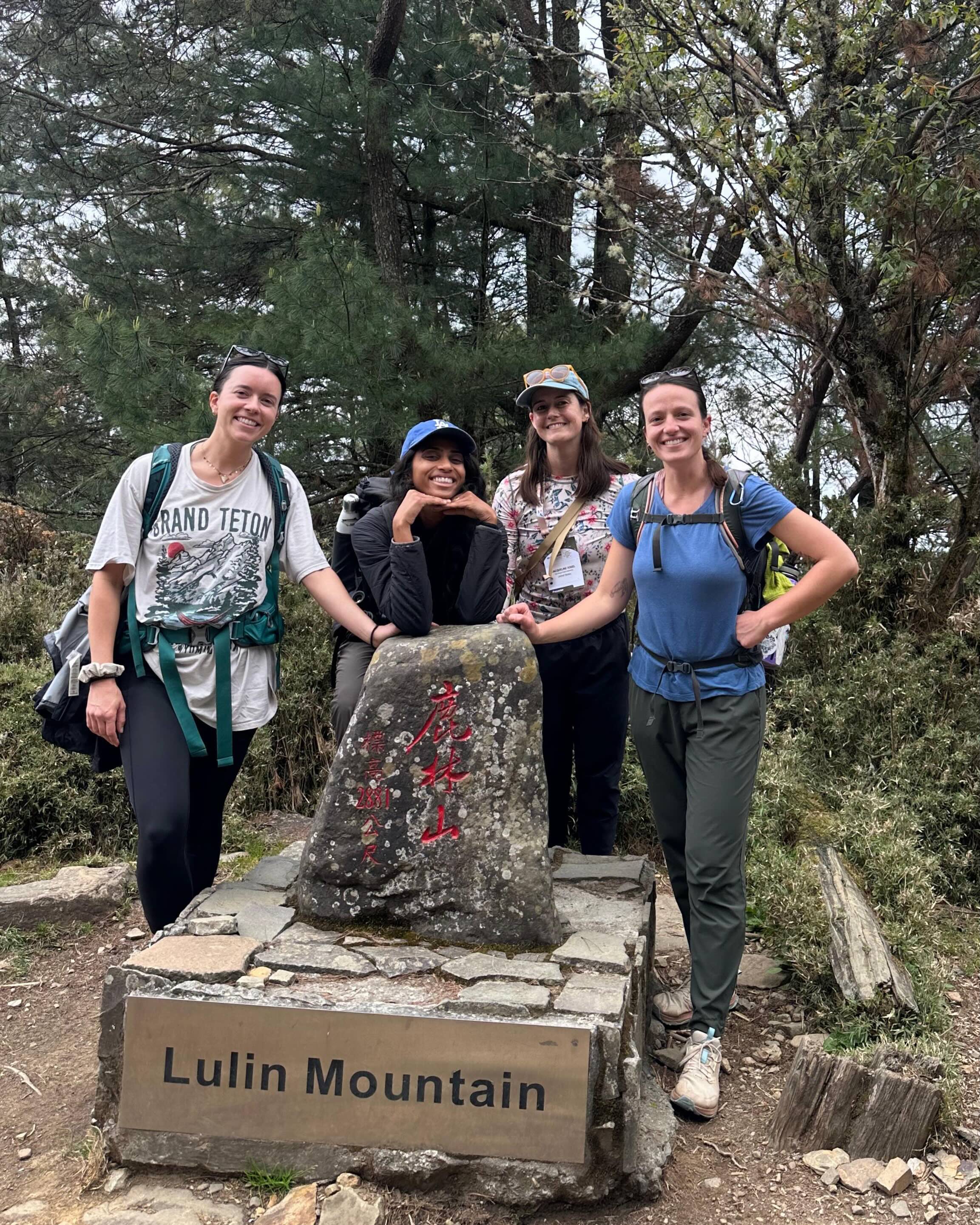
Presenting our early-stage work at the Ocean Sciences Meeting in Scotland and Species on the Move in Taiwan.
Unexpected challenges and surprising collaborations
The backbone of this project is fisheries observer data from the Inter-American Tropical Tuna Commission. They have decades of at-sea records documenting where, when, and which species are caught, recorded by independent observers on fishing vessels. However, these data are confidential, and as such, we went through months of back-and-forth to establish a data sharing agreement. As it turns out, building collaborative research takes patience, trust, and a surprising amount of paperwork.
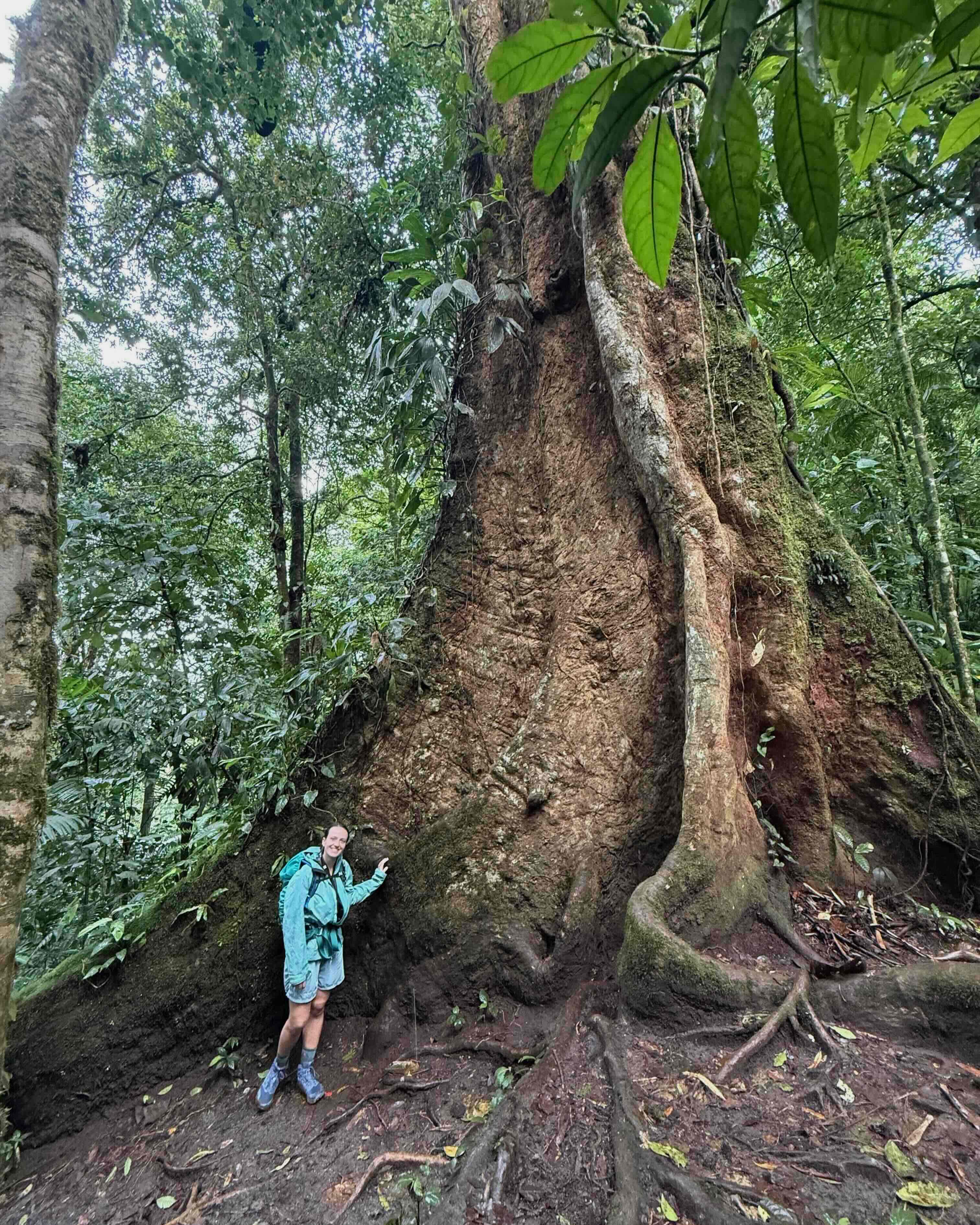
We grew our collaborative network by meeting with scientists from NOAA, attending in-person workshops in Costa Rica with our CI collaborators, and presenting at scientific conferences. The Costa Rica trip was especially worthwhile as it led to conversations with colleagues who gave us valuable feedback on the project and pushed us to think critically about what a near real-time tool actually needs to look like if it's going to be useful aboard a fishing vessel. We also presented our early-stage work on the JDSDM framework to the Ocean Sciences Meeting in Scotland and Species on the Move in Taiwan.
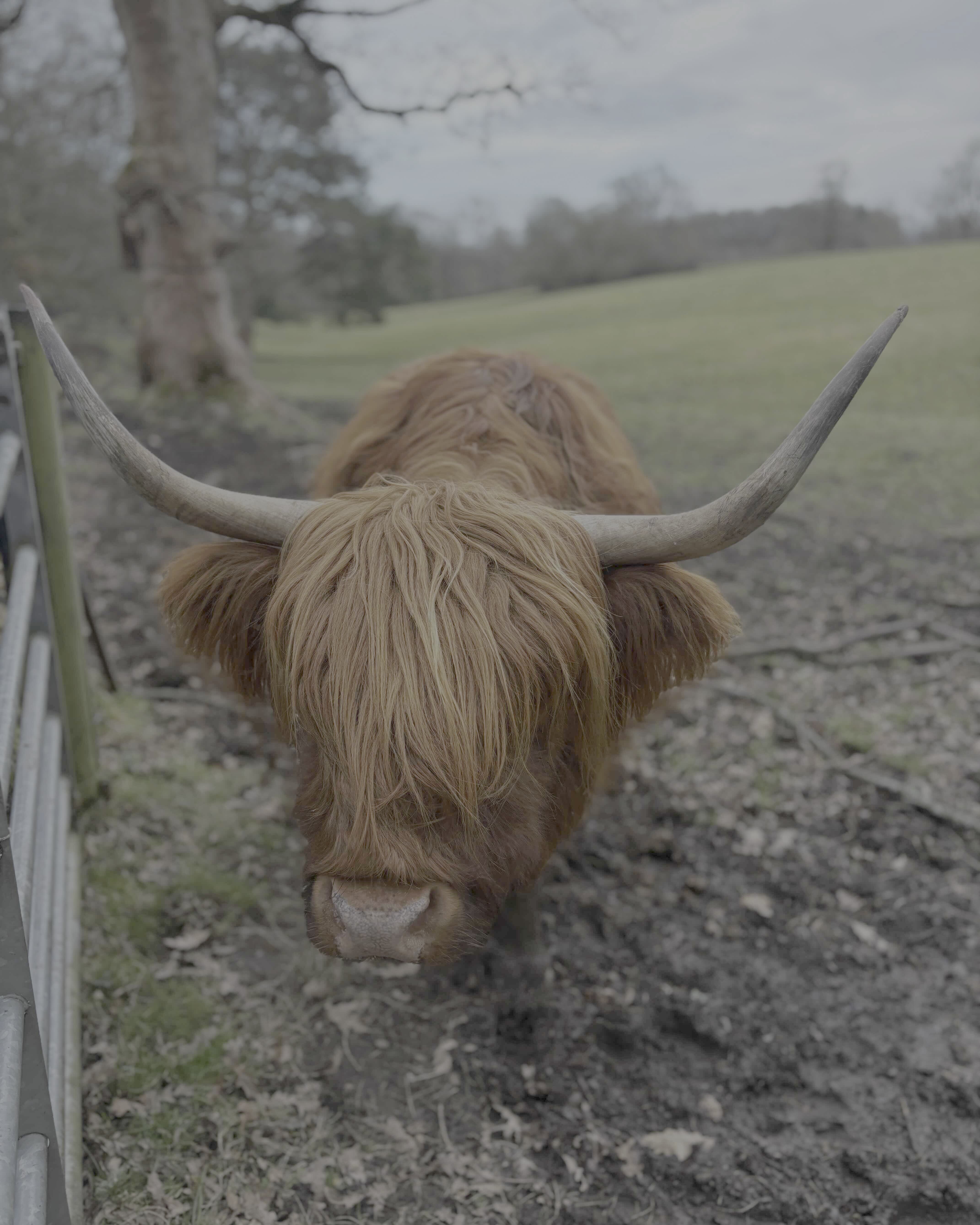
These gatherings connected us with researchers from around the world who are tackling many of the same challenges surrounding climate change, species redistribution, and dynamic ocean management. Of course, workshops and conferences aren’t only about presenting cool research. We also explored new cities, paddled out at first light to watch the sunrise, learned about tea culture, and became best friends with a few Scottish highland cows.
What’s next
We now have the modeling framework, a near complete pipeline, and a growing network of collaborators and scientific partners who are rooting for us to succeed. In the coming months, we hope to finalize our model, establish methods for validation, add more target and bycatch species, and develop our near real-time tool and climate change projections.
What started as a conversation between two PhD students on the Bren deck has grown into a collaborative effort spanning universities, conservation organizations, and fisheries managers. Our goal remains the same: to help ensure that productive fisheries and healthy ecosystems can coexist in a rapidly changing ocean.
All photos are courtesy of the authors.